When most families plan a trip to the Netherlands, they usually think about Amsterdam, windmills, tulip fields and charming canals. A beach day often isn’t part of the original itinerary. That is actually a shame, because the Dutch coastline is one of the country’s hidden gems and can be a fantastic place to spend a relaxing day with children. In this article I will tell you everything families should know when visiting the Dutch beach with kids.
The Netherlands has more than 450 kilometres (280 miles) of coastline, lined with wide sandy beaches that are perfect for families. Unlike many crowded beaches elsewhere in Europe, there is often plenty of space for children to run around, build sandcastles and play for hours without constantly being surrounded by other people.
If you’re visiting during the summer months and the weather is good, spending a day at the beach is one of the nicest ways to experience everyday Dutch life. However, the Dutch coast is a little different from what many international visitors expect, so it’s helpful to know what you’re getting into before packing your beach bag.
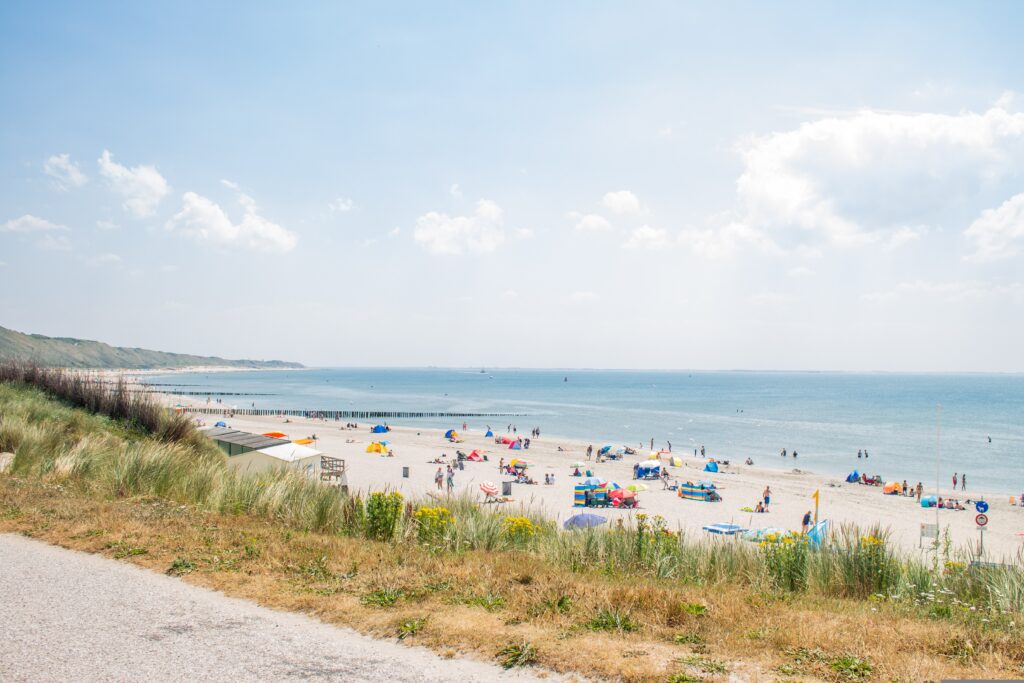
Dutch beaches are perfect for families because they’re incredibly wide
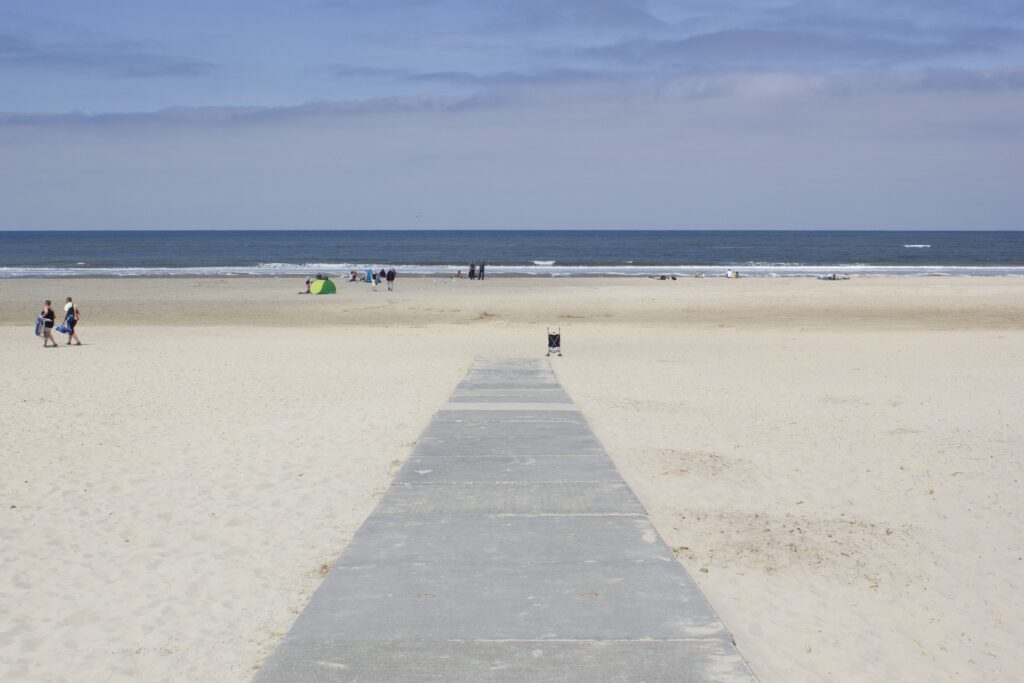
One of the biggest surprises for first-time visitors is the size of the beaches. Many tourists expect relatively small stretches of sand, but beaches like Scheveningen, Zandvoort and Noordwijk are enormous. In many places, the beach is well over 100 metres wide, leaving plenty of room for everyone.
For parents, that extra space makes a huge difference. Children can run, dig giant holes, collect shells or play football without constantly bumping into other families. Even on busy summer afternoons, it rarely feels overcrowded in the way that many Mediterranean beaches can.
Because of this, Dutch beaches are often much more relaxing than people expect. You can easily spend an entire day there without feeling cramped, even if thousands of people are visiting at the same time.
The dunes make a beach day even more fun
Another thing that makes the Dutch coastline unique is the large area of dunes behind the beach. These sandy hills, covered with grasses and small forests, stretch for miles along the coast and create a beautiful natural landscape.
Many families combine a few hours on the beach with a walk through the dunes. Children often enjoy climbing the sandy hills, spotting rabbits or simply exploring the winding paths that run through the area.
Even when the weather isn’t warm enough for swimming, the dunes still make the coast worth visiting. A walk through nature followed by lunch at a beach club is a popular weekend activity for Dutch families throughout the year.
When can you visit the beach in the Netherlands?
Technically, you can visit the Dutch coast in every season, but if you’re hoping for a traditional beach day with swimming and playing in the sand, summer is definitely the best time to go.
The months of June, July and August usually offer the warmest temperatures, although Dutch weather always remains unpredictable. One day temperatures can reach 30°C (86°F), while the next day it may be cloudy, windy and much cooler.
That’s why many Dutch families don’t plan beach trips weeks in advance. Instead, they simply wait for a sunny forecast and decide at the last minute to spend the day by the sea.
If you’re travelling through the Netherlands with children, it’s worth keeping your itinerary flexible. A warm summer day at the beach can easily become one of the highlights of your vacation.
The sea is colder than many tourists expect
Parents visiting from warmer destinations are often surprised by the North Sea.
Although plenty of people swim during summer, the water stays relatively cool throughout the season. Even in July and August, temperatures are often around 18 to 20°C (64 to 68°F).
Fortunately, children usually don’t seem to mind at all. Many spend more time digging in the sand, collecting shells and chasing the waves than actually swimming.
The cooler temperatures also make the beach more comfortable during hot weather, especially for families with younger children who may struggle with extreme heat.
How do you get to the beach?
Many Dutch families drive to the beach, but tourists have several options.
If you’re renting a car, reaching the coast is generally easy. Roads are well maintained and most beaches are clearly signposted. The only downside is that parking is rarely free. At popular beaches such as Scheveningen, Noordwijk and Zandvoort, you’ll almost always pay for parking, and during summer weekends finding a space can become difficult.
On warm days, traffic towards the coast can be surprisingly busy. It isn’t unusual to spend extra time looking for a parking spot if you arrive late in the morning.
For families travelling with young children, leaving early is often the best strategy.
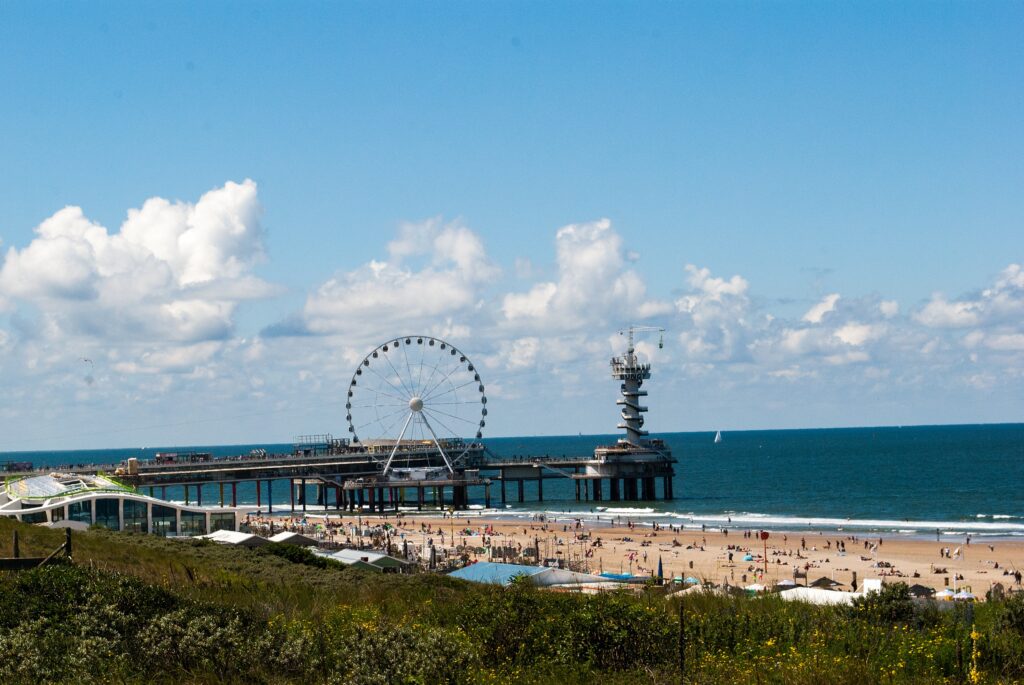
Several beaches are easy to reach by public transport
One of the advantages of travelling in the Netherlands is that you don’t necessarily need a car to enjoy the beach.
Zandvoort is one of the easiest beaches to visit from Amsterdam, with a direct train taking around thirty minutes. Once you arrive, it’s only a short walk to the sand.
Hoek van Holland is another excellent option and can easily be reached using the Rotterdam metro.
For tourists staying in Amsterdam or Rotterdam, travelling by train or metro is often easier than driving, especially during busy summer weekends when parking lots fill up quickly.
Dutch beach culture is simple, relaxed and family-friendly
If you’ve never been to a Dutch beach before, you’ll probably notice that people keep things simple.
Most families arrive carrying a large beach bag, a few towels, sunscreen, toys, snacks and drinks. They spread out a blanket or towel on the sand and spend the entire day there while the children play nearby.
Bringing your own food is completely normal, and nobody expects luxury or expensive beach service. In fact, many Dutch families pack sandwiches, fruit and drinks at home before leaving.
That relaxed atmosphere is one of the nicest things about the Dutch coast. There is no pressure to rent equipment or spend money all day. Whether you bring your own picnic or buy lunch at a beach club, both are equally common.
Beach clubs are everywhere
Along almost every popular beach you’ll find beach clubs, known locally as strandtenten.
Some are simple places where you can grab fries, coffee or an ice cream, while others are stylish restaurants overlooking the sea where people spend hours enjoying lunch or drinks.
At many locations you can also rent sunbeds and umbrellas if you’d rather not carry everything yourself.
However, don’t feel like you have to. Plenty of families simply lay down their own towels and spend the entire day on the sand without renting anything at all.
What should you pack for a family beach day?
Packing for the Dutch beach requires a little more preparation than you might expect because the weather can change quickly.
Besides swimwear and towels, sunscreen is essential, even when temperatures aren’t particularly high. The combination of wind and sun often causes people to burn without realizing it.
A lightweight sweater or jacket is also a good idea, since afternoons can become windy and temperatures may drop later in the day.
For families with children, beach toys are almost impossible to leave behind. Buckets, shovels and balls provide hours of entertainment on the enormous sandy beaches, while plenty of snacks and drinks will save you money throughout the day.
A few practical tips before you go
There are a few things worth remembering before heading to the coast.
Firstly, don’t underestimate the wind. Beach umbrellas and lightweight towels can easily blow away if they aren’t secured properly.
Secondly, try to arrive early on sunny days. The Dutch love going to the beach, and popular destinations become busy surprisingly quickly once the weather is nice.
Finally, don’t cancel your plans too quickly if the weather isn’t perfect. Even on slightly cooler days, walking through the dunes, visiting a beach club and letting the children play in the sand can still make for a wonderful family outing.
Is visiting the Dutch beach with kids worth it?
Absolutely. The Dutch coast may not have tropical temperatures or turquoise water, but it offers something different: enormous sandy beaches, a relaxed atmosphere and plenty of space for children to play freely. Combined with family-friendly beach clubs, beautiful dunes and easy access by car or public transport, it makes an excellent day trip during a summer vacation in the Netherlands.
Many tourists arrive expecting to spend all their time exploring cities, only to discover that one of their favourite family memories is a simple day at the beach. Watching the children play in the sand, enjoying lunch with a view of the sea and ending the afternoon with a walk through the dunes is a wonderful way to experience another side of the Netherlands that many visitors never see.
Yes, Dutch beaches are very family-friendly. Most beaches are wide and sandy, giving children plenty of space to play, build sandcastles and run around safely. Many popular beaches also have beach clubs, playgrounds and lifeguards during the summer season.
Some of the most popular family-friendly beaches are Zandvoort, Scheveningen, Noordwijk and Hoek van Holland. They all have wide beaches, good facilities and plenty of restaurants or beach clubs nearby.
Yes, you can swim in the North Sea during the summer months. However, the water is much colder than many visitors expect, usually around 18–20°C (64–68°F) in July and August.
The best time for a beach day is between June and August, when temperatures are warmest and most beach clubs are open. Keep in mind that Dutch weather is unpredictable, so it’s always a good idea to check the forecast before you go.
Yes. Several popular beaches are easy to reach by train or metro. Zandvoort has a direct train connection from Amsterdam, while Hoek van Holland Beach can be reached by metro from Rotterdam, making both excellent day trips without a car.
In most cases, yes. Parking at popular beaches is usually paid, especially during the summer season. On sunny weekends, parking lots can fill up quickly, so arriving early or using public transport is often the better option.
Yes. Most popular beaches have beach clubs (strandtenten) where you can enjoy lunch, drinks or dinner with a sea view. Public toilets, snack bars and ice cream stands are also common, and at some locations you can rent sunbeds and umbrellas.
Besides swimwear and towels, it’s a good idea to bring sunscreen, extra clothes, a light jacket, snacks, drinks and beach toys for children. Because the weather can change quickly, dressing in layers is always recommended.